




What This Genre Is
Sorting and logic puzzles are games where the goal is order rather than speed. You are given pieces that are mixed up, stacked, tangled or hidden behind a rule, and your job is to arrange them correctly. The pieces might be coloured liquids in tubes, cake slices on plates, fruit boxes on a belt, rings hooked together, jigsaw pieces, or cats placed on a grid.
These games rarely ask for fast reflexes. The challenge comes from working out which move is safe, which one creates a dead end, and which small observation unlocks the board.
Why They Are Relaxing
A good logic puzzle gives you a clear goal and a limited set of moves. There is usually no timer and no opponent disrupting your plan. When you make a mistake, the board stays where you left it, so you can pause, look again and try a different approach. The satisfaction comes from the moment a tangle resolves: the last ring slips free, the final colour settles into its tube, the last piece clicks into place.
How to Choose One
Decide whether you want to sort, deduce or assemble. Sorting games ask you to move items between containers while keeping space free. Deduction games give you rules and ask you to place pieces without breaking them. Assembly games, including jigsaws, are about shape and image recognition. Check the controls and the level structure too: most use a mouse or touch, and many small levels are easier to dip into than one long puzzle.
Games Worth Starting With
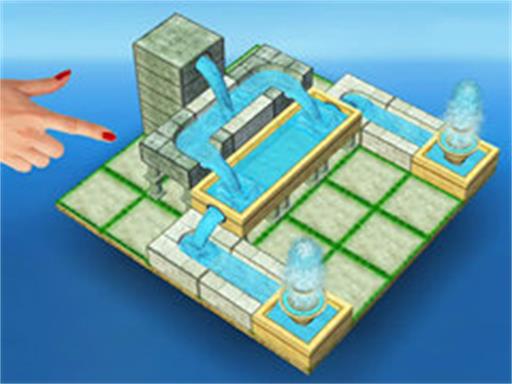
Jigsaw Pusha Pusha is a crate-pushing puzzle (despite the “jigsaw” in the title): move boxes onto their targets without boxing yourself in. Arrow Rush Escape is a swipe-to-escape arrow puzzle with a long official level list. Cake Sort has you arrange colourful cake slices on a 4x4 grid to assemble whole desserts. Color Sort Party is the classic pour-and-sort puzzle: move liquid between tubes until each holds a single colour. Fruit Jam Color Sort sorts fruit by colour, and Water Flow Puzzle is a pipe-and-flow logic game. Meow Sudoku applies sudoku-style constraints to a grid of cats, with colour adding another layer of deduction.
Tips for Logic Puzzles
Look at the whole board before your first move, and identify the pieces with the fewest legal positions. In sorting games, keep at least one empty container available, because space is what lets you rearrange without undoing progress. In deduction puzzles, track what each row, column or colour still needs instead of guessing. In jigsaws, sort edge pieces first and build the frame before filling the middle. Use undo and restart freely: a logic puzzle is meant to be explored, not completed first time.
When you want more movement, try Driving & Parking Games. For puzzles that reward quick pattern spotting, see Match & Merge Games.